What Does Chest Pain After a Car Accident Mean?
Chest pain after a car accident should never be ignored, as it may indicate serious injuries that require immediate attention. This type of pain could stem from trauma to the chest area, such as bruised ribs, internal organ damage, or muscle strain. It might also signify more severe conditions, like a fractured rib or even a life-threatening internal injury. Recognizing the cause of chest pain quickly is critical to ensuring proper treatment and a full recovery.
When you’ve been injured in a car accident, you need a legal team that delivers results. At Cantor Grana Buckner Bucci, we combine expertise, dedication, and an unwavering commitment to securing the compensation you deserve. A free consultation with our seasoned attorneys is your first step toward understanding your rights and building a strong case. Don’t leave your future to chance—schedule your no-obligation consultation today and take control of your recovery with a team that prioritizes your success.
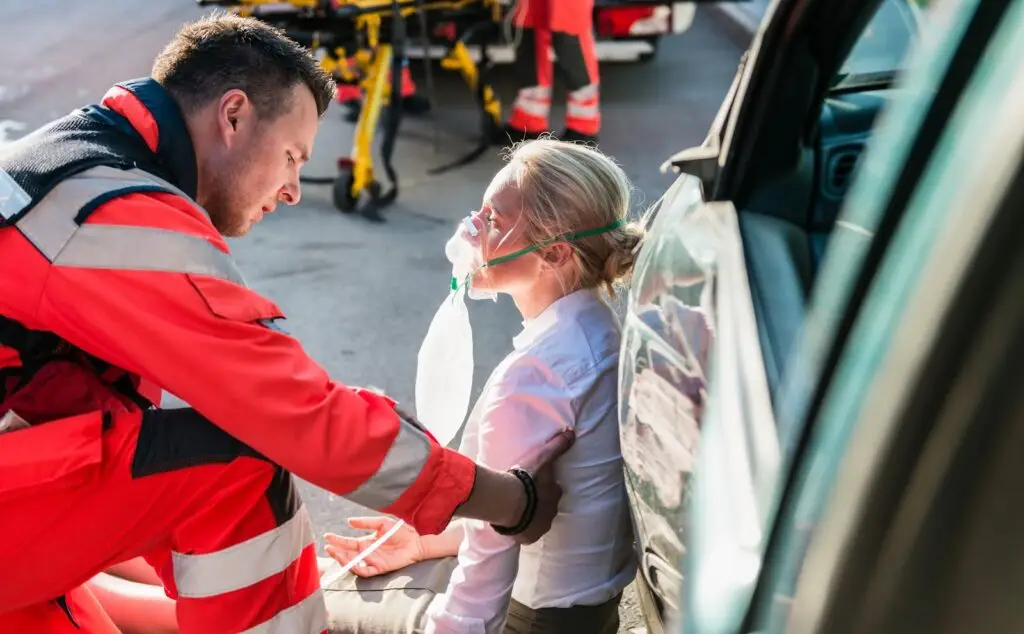
Why Am I Experiencing Chest Pain After a Car Accident?
If you’re experiencing chest pain after a car accident, it can be alarming and may indicate underlying injuries that require immediate attention. It’s vital to understand the potential causes and seek proper medical evaluation to avoid complications. Below, we break down the common types of car accident injuries that may result in chest pain, helping you better understand your symptoms and their potential severity.
1. Blunt Force Trauma
Chest pain may result from the forceful impact of the chest against a seat belt, steering wheel, or airbag during a collision. Blunt force trauma can lead to bruising, swelling, or even damage to the ribs and underlying tissues. While minor bruises may heal on their own, severe trauma can result in fractured ribs or internal injuries, necessitating immediate medical care.
2. Broken Ribs or Fractures
The intense pressure of an accident can cause ribs to fracture or break, leading to sharp pain, difficulty breathing, and tenderness in the chest area. Broken ribs may not always manifest immediately, so it’s crucial to monitor symptoms and consult a doctor if discomfort persists or worsens.
3. Internal Organ Damage
High-impact accidents can potentially damage internal organs like the lungs, heart, or diaphragm, causing significant pain. Conditions such as pneumothorax (collapsed lung) or cardiac contusion may result, both of which require urgent medical attention to prevent life-threatening complications.
4. Muscle Strain or Soft Tissue Injuries
The jarring motion of a car accident can strain the muscles and ligaments in the chest and upper body. This type of injury is often associated with soreness, stiffness, and discomfort when moving or breathing deeply, though it is generally less severe compared to other injuries.
5. Whiplash and Secondary Chest Pain
While whiplash is primarily a neck injury, the rapid back-and-forth motion can strain muscles in the chest and upper body as well. Additionally, pain felt in the chest may sometimes be referred pain from nerve compression or other injuries related to the collision.
6. Seat Belt Injuries
Seat Belts are designed to save lives, but the force exerted during a crash can cause bruising and pain in the chest area. These injuries are a sign that the seat belt effectively prevented more severe harm, but they still warrant attention to rule out any deeper damage.
7. Cardiovascular Stress or Trauma
The psychological and physical shock of a car accident can sometimes trigger chest pain related to the heart. For example, stress-induced conditions or pre-existing heart issues may become exacerbated, making it important to differentiate these symptoms from other injury types.
8. Sternum Fractures
Direct impact to the chest can cause a fracture of the sternum, the flat bone at the center of the chest. Sternum fractures are particularly common in high-speed accidents and can result in sharp, localized pain, especially when breathing or moving.
Chest pain after a car accident should never be ignored, as it can signal damage ranging from minor to serious injuries. Seeking medical attention immediately is the key to proper diagnosis and recovery. Understanding these potential causes empowers you to make informed decisions about your health and legal options.
What Are Some Other Symptoms of Chest Injuries After a Car Accident?
Chest injuries sustained during a car accident can manifest in a variety of symptoms beyond just pain. Recognizing these warning signs early is critical for seeking timely medical intervention and preventing further complications. Below are some additional symptoms that may indicate a chest injury:
- Shortness of Breath: Difficulty breathing or an inability to take deep breaths can signal broken ribs or damage to the lungs.
- Bruising or Swelling: Visible discoloration or inflammation around the chest could indicate internal bleeding or tissue damage.
- Coughing Up Blood: This alarming symptom may suggest lung damage or internal trauma that requires immediate medical evaluation.
- Numbness or Tingling: Unusual sensations around the chest area could point to nerve damage or disrupted blood flow.
- Abnormal Chest Movement: An uneven or irregular rise and fall of the chest may indicate a severe injury, such as a rib fracture or lung involvement.
- Rapid Heartbeat: A racing pulse might be a sign of shock or stress on the cardiovascular system following an impact.
Paying attention to these symptoms can guide you in obtaining a proper diagnosis and necessary care before chest injury complications escalate.

Can Car Accident Injuries Cause Delayed Chest Pain and Other Symptoms?
Yes, car accident injuries can absolutely cause delayed chest pain and other symptoms. Often, the adrenaline surge that occurs during and immediately after an accident can mask pain and discomfort, leading individuals to believe they are uninjured. However, as the body’s response to the trauma unfolds over hours or even days, symptoms may begin to emerge.
It is not uncommon for soft tissue injuries, bruised ribs, or internal strain to manifest as chest pain after a delay. Additionally, more serious conditions, such as internal bleeding or organ damage, can also present symptoms after an initial period, further underscoring the importance of seeking an evaluation by a medical professional after any significant collision, even if you feel okay at first. Early detection of these latent injuries is critical to ensuring effective treatment and preventing long-term complications.
When Should I Seek Medical Attention for Chest Pain After a Car Accident?
Chest pain following a car accident should never be taken lightly, as it can signal underlying injuries that may not be immediately apparent. Seeking prompt medical attention is crucial to protecting your health and preventing potentially serious complications. Below are key indicators of when to seek medical care for chest pain after a car accident:
- Pain Persists or Worsens: If chest pain does not subside or intensifies over time, it could indicate a serious issue such as fractured ribs, internal injuries, or heart-related complications.
- Difficulty Breathing: Trouble catching your breath or experiencing shortness of breath can be a sign of a collapsed lung, blood clot, or other critical conditions requiring immediate care.
- Radiating Pain: Pain spreading to other areas, such as the neck, shoulders, or arms, could signify severe internal trauma or even a cardiac event.
- Swelling or Bruising: Visible signs of trauma, such as significant swelling, bruising, or tenderness in the chest area, warrant a professional evaluation.
- Nausea, Dizziness, or Fainting: These symptoms, combined with chest pain, may point to shock or damage to vital organs and should be addressed by a medical professional urgently.
- Delayed Chest Pain and Other Symptoms: Even if symptoms appear hours or days after the accident, delayed chest pain can still result from serious injuries and should not be ignored.
If you experience any of these warning signs, they could indicate a potentially severe chest injury. You should seek immediate medical attention to ensure your safety and well-being.
Can a Car Accident Cause Permanent Damage to My Heart?
Yes, a car accident can cause permanent damage to your heart, depending on the severity of the trauma and the nature of the injuries sustained. Blunt force trauma to the chest, for example, can lead to cardiac contusion — a bruising of the heart muscle that may disrupt its normal function.
Additionally, serious accidents can result in damage to the blood vessels surrounding the heart, potentially causing long-term cardiovascular complications. Left untreated, these injuries may increase the risk of arrhythmias, heart failure, or other chronic conditions.
Prompt diagnosis and medical treatment are critical in mitigating lasting harm and ensuring the best possible recovery. Always prioritize a thorough evaluation by medical professionals after any serious accident to identify and address potential cardiac damage early.
Can I Recover Compensation for Car Accident Injuries?
If you’ve suffered injuries in a car accident, you may be entitled to recover compensation for the damages you’ve experienced through a personal injury claim. Navigating this process requires understanding your legal rights and the steps necessary to pursue a claim successfully.
Legal Considerations for Recovering Compensation
To recover compensation, you must typically prove that another party was at fault for the accident. This involves demonstrating negligence, such as failing to maintain a proper lookout, speed, or control of the vehicle, or failing to obey traffic laws. Evidence like police reports, witness statements, and traffic camera footage can play a pivotal role in building your case.
Additionally, working closely with a personal injury attorney ensures your claim is thoroughly prepared to seek compensation for medical expenses, lost wages, property damage, and pain and suffering. Act promptly, as legal time limits, known as statutes of limitations, may restrict how long you have to file a claim.
Types of Damages Awarded in Car Accident Claims
Car accident claims typically result in three primary types of damages: economic, non-economic, and punitive damages. Economic damages are tangible costs associated with the accident, such as medical expenses, lost wages, and property repair or replacement. These damages are usually straightforward to calculate using bills, receipts, and income records.
Non-economic damages address the more subjective consequences of an accident, including pain and suffering, emotional distress, and loss of enjoyment of life. Lastly, punitive damages may be awarded in cases involving willful and wanton negligence, reckless behavior, or intentional misconduct, serving to punish the at-fault party and deter similar behavior in the future.
Understanding these categories ensures victims pursue the full compensation they deserve.
How An Experienced Car Accident Attorney Will Help
An experienced car accident attorney will provide critical expertise and strategic guidance to secure the outcome you deserve. They will thoroughly investigate the circumstances of your case, gathering key evidence such as police reports, witness statements, and medical records to build a compelling argument.
Skilled in negotiation, they will work tirelessly to engage with insurance companies, ensuring you are not pressured into accepting a low settlement. If necessary, they will confidently represent you in court, presenting a strong case to maximize your compensation. With their knowledge of personal injury laws and commitment to your best interests, an experienced attorney becomes an indispensable ally in achieving justice.
Cantor Grana Buckner Bucci | Virginia Car Accident Attorneys
When you choose Cantor Grana Buckner Bucci, you’re selecting a law firm dedicated to delivering unmatched results for our clients. Our experienced team of Virginia car accident attorneys brings a strategic, results-oriented approach to every case. We pride ourselves on personalized representation, taking the time to understand your unique situation and crafting a legal strategy that drives outcomes in your favor. From handling complex negotiations with insurance companies to fiercely advocating for you in court, we are relentless in our pursuit of justice.
Don’t wait to get the legal help you need. Scheduling a free consultation with Cantor Grana Buckner Bucci is your first step toward securing justice and fair compensation. During your consultation, we’ll review the details of your case, answer your questions, and provide clear guidance on how we can help. You deserve dedicated legal representation that puts your needs first—call us today or contact us online to schedule your free consultation and take control of your car accident case now!