Post-Traumatic Stress Disorder (PTSD) is caused by experiencing or witnessing a traumatic event; causes range from natural disasters, accidents, and combat to abuse, violence, and learning about a loved one’s trauma. There are different types of PTSD, and risk factors such as lacking social support can increase the likelihood of developing PTSD. Let’s take a look at the link between PTSD and brain injury, and some of the interventions that are being used for recovery.
Treating PTSD After Brain Injury: What Works and Why
Effective PTSD interventions after a TBI1 can feel like alphabet soup! These evidence-based treatments, which are described below, have been shown to work as well for individuals with a history of TBI as those without.
Psychotherapy
- Cognitive Processing Therapy (CPT): Helps people challenge and correct unrealistic or negative thoughts about trauma, such as “It was all my fault” or “The world is entirely dangerous”.
- Prolonged Exposure (PE): Patients are guided through trauma-related memories, feelings, and situations that have been avoided since the trauma. If someone has significant memory loss, watching traffic footage is often more useful than replaying or imagining the trauma.
Rehabilitation and Cognitive Therapies
- Cognitive Rehabilitation Therapy (CRT): Helps improve cognitive functions affected by the TBI, such as attention and memory.
- Occupational, Physical, Speech/Language therapy: Can improve balance, increase daily living skills, and help with the physical and communication challenges that often accompany TBI.
- Cognitive Behavioral Therapy for Insomnia (CBT-I): Restful sleep is a crucial aspect of healing; it should be introduced early to treat sleep disturbances before patients are referred for a sleep study.
- Behavioral Interventions: Using an Antecedent-Behavior-Consequences (ABC) approach can be helpful in identifying what might be causing a behavior and the associated consequences. Once identified, altering the trigger for the behavior and related consequences are the next steps.
Medical and Other Interventions
- Medication may be used to manage specific symptoms such as mood instability or sleep disturbances. Using drugs that target these symptoms can be effective; however, psychotropic medications may worsen TBI symptoms.
- Integrative therapies: Complementary and integrative health techniques can be valuable for reducing stress and building resilience.
- Pain Psychology Interventions: Treatment interventions include biofeedback, pain sensitization and other intervention options include implementing activity pacing tasks based on time rather than pain symptoms, utilizing relaxation techniques, and employing coping skills training for pain
Supportive Strategies2
- Differential diagnosis: A structured clinical interview is crucial to distinguish between TBI-related and PTSD symptoms to inform an effective treatment plan.
- Support groups: Connecting with others who have had similar experiences can provide emotional support and new coping strategies.
- Lifestyle adjustments: Following a consistent routine, minimizing distractions, and taking breaks can help manage the day-to-day challenges of TBI and PTSD.
- Mindfulness-Based Interventions: Implementing present moment attention, a mindful cognitive approach, and a non-judgmental perspective have proven effective in treating the overlapping symptoms
Effective treatment of PTSD in individuals with traumatic brain injury requires an integrated, trauma-informed approach; by adjusting proven therapies to match cognitive and emotional needs, providers can reduce distress, improve participation, and support healing. Recognizing the overlap between PTSD and TBI, and tailoring care accordingly, improves treatment engagement, long-term functional recovery, and quality of life.
What EMDR Is and How It Helps Trauma Recovery
Eye Movement Desensitization and Reprocessing (EMDR) is an evidence-based psychotherapy approach designed to reduce the intensity of traumatic memories and help people process traumatic or distressing memories in a way that reduces their emotional intensity. 3 Instead of relying on talk therapy, EMDR uses bilateral stimulation—gentle back-and-forth eye movements, tapping, or tones—to help the brain reprocess painful experiences. Some researchers have suggested EMDR may mimic the processing state of REM sleep, when the brain naturally sorts and integrates emotional material.
Therapy follows an eight-phase structure that addresses past events, current triggers, and future needs, making it a whole-person approach. 4 The key components are:
- Bilateral stimulation. During processing, clients attend to a targeted memory while receiving rhythmic back-and-forth input designed to activate dual attention.
- Memory reprocessing. The client identifies the memory, associated affect, body sensations, and negative beliefs. As processing continues, distress typically decreases and more adaptive beliefs emerge.
- Stabilization and regulation. Therapists ensure clients have adequate coping strategies and grounding skills before and throughout trauma work to maintain emotional equilibrium.
EMDR offers a rigorously studied, clinically structured approach for reprocessing traumatic memories and restoring adaptive functioning. More than 30 randomized controlled trials support its efficacy in treating PTSD, and analyses show outcomes comparable to trauma-focused cognitive behavioral therapy. Adaptations of EMDR have also been applied to anxiety disorders, phobias, and other trauma-related presentations. While the underlying mechanisms continue to be explored, clinical evidence and real-world outcomes support EMDR as an effective and versatile intervention for trauma and related disorders.
PTSD and TBI: Understanding Symptom Overlap5
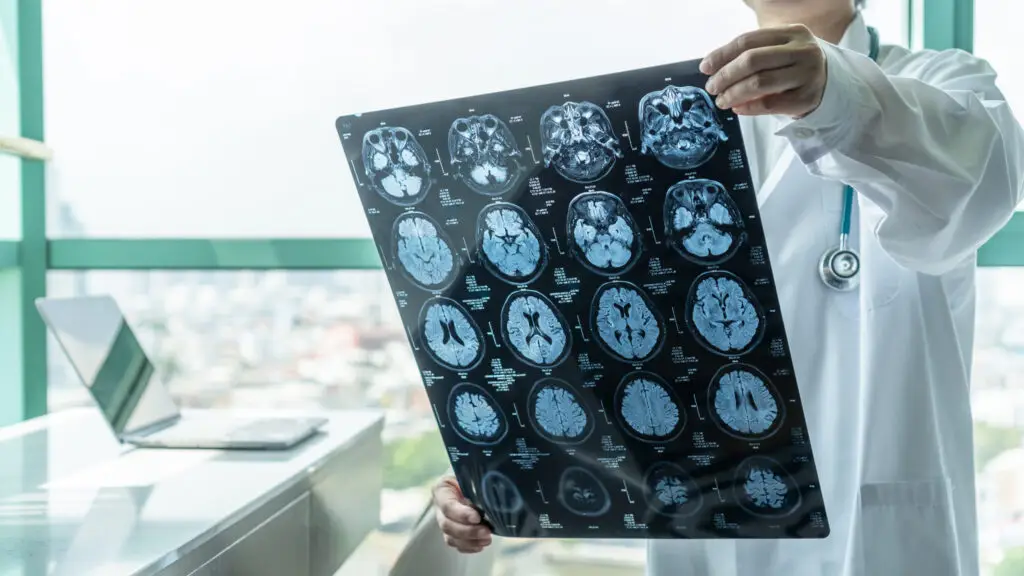
Post-traumatic stress disorder (PTSD) and traumatic brain injury (TBI) frequently co-occur, and their symptoms can look strikingly similar. This overlap can make clinical assessment challenging; for mental health providers, recognizing this overlap is crucial.
Both conditions share a wide range of symptoms, including depressed mood, anxiety, irritability, insomnia, concentration difficulties, hyperarousal, fatigue, emotional numbing, and dissociative experiences.
Cognitive changes, emotional dysregulation, and behavioral issues can stem from either condition; in many cases, they blur together.
While some symptoms can be treated effectively, some require accurate diagnosis to guide the use of interventions such as trauma-focused exposure therapies. When PTSD goes unrecognized in a patient with TBI, the untreated trauma may worsen cognitive and emotional symptoms and hinder overall recovery.
Although many overlapping symptoms respond well to general therapeutic strategies, things like memory deficits or slowed processing require tailored approaches. Likewise, PTSD treatments depend on clear diagnostic identification. In patients with both conditions, distinguishing which symptoms belong to which diagnosis helps avoid misattribution and ensures therapies do not accidentally worsen TBI-related challenges.
The diagnostic picture becomes more complex when other psychiatric conditions are present—a common occurrence with both PTSD and TBI.
- Major depressive disorder (MDD) is common in both and they share similar symptoms such as concentration problems, low motivation, irritability, fatigue, and memory difficulties. Because TBI significantly increases the risk of depression, it’s important to know if symptoms emerged before or after the injury.
- Individuals with TBI show increased rates of substance use disorder (SUD) over time, and PTSD is strongly associated with SUD. When combined, these diagnoses significantly increase the likelihood of problematic use, which complicates recovery and worsens PTSD symptoms.6
- Chronic pain is common in patients with PTSD, TBI, and depression, and it can interact with psychological and neurological symptoms. Pain stemming from the traumatic event that caused the injury may trigger re-experiencing the event. Because many pain-related symptoms overlap with TBI and PTSD (e.g., sleep disturbance, irritability, headaches), understanding when the pain started and how it behaves is critical. 7
Given the overlap between PTSD and TBI—and the frequent presence of depression, substance use, and chronic pain—determining the source of a person’s symptoms is both challenging and necessary. Careful assessment helps clinicians distinguish trauma-based reactions from neurological changes and non-specific symptoms, ensuring that treatments such as trauma-focused interventions are used appropriately and safely.
At Trial
A case such as this is about the lasting impact of what happens when an injury doesn’t end at the emergency room.
When a jury understands these two injuries don’t live in separate boxes, that they interact and they make each other worse, it makes their decision easy.
The brain injury affects how someone thinks, remembers, and processes information. The PTSD affects how the brain reacts to stress, danger, and reminders of trauma. Together, they explain why someone can seem ‘fine’ one moment and completely overwhelmed the next. Why simple tasks feel exhausting. Why sleep is disrupted. Why returning to work, relationships, and normal life has been so difficult. Why concentration and emotional control are so hard.
These are not choices. They are the predictable result of how an injured brain responds to trauma. When the defense asks the jury to look at moments when the plaintiff seems okay and tries to convince them the plaintiff has recovered, don’t let them fall for it. Ask them to think of it like this: the brain injury cracked the foundation, and PTSD keeps setting off the alarm system. The problem isn’t the house; it’s the alarm system that’s been thrown off and can’t reset. It means the system is malfunctioning.
The lawyers of Cantor Grana Buckner and Bucci are deeply invested in their client’s recovery, and our Director of Brain and Spinal Cord Injury Services helps our clients get to the right provider for the right treatment at the right time. Our attorneys know if the interventions work, it strengthens their case. That confidence is real, and it’s what leads to the firm’s many legal successes. If you need help after a TBI or for a TBI case, call us.